









66 minutes
As Russia’s invasion in Ukraine enters its second year, how is the global system continuing to evolve and change? How is the balance of power and influence shifting? And what might be some of the unexpected developments? Orbis turned to Michael A. Reynolds, Sharyl Cross, Dov S, Zakheim, Ronald J. Granieri, Almaz Keshavarz, Kiron Skinner, Jeff D. Colgan, Damjan Krnjevic Miskovic, and Rachel Ziemba for their thoughts, with a final reflection by Orbis editor Nikolas Gvosdev.
This symposium originally appeared in Volume 67, Issue 3, in Summer 2023.
Many Questions … Uncertain Answers
By Michael A. Reynolds
Russia’s invasion of Ukraine in 2022 is the most important geopolitical event since the end of the Cold War. It will prove to be vastly more consequential than 9/11 and the War on Terror. The dominant narrative in the West about the war in Ukraine frames it according to a familiar script: an authoritarian regime has committed an act of gross and wholly unacceptable aggression against a democratic state. Now, under US leadership, the liberal democracies around the world will rally together in support of Ukraine. With its greater economic resources, higher morale, and superior political culture, this alliance of democracies will prevail in defeating Russia, punishing Vladimir Putin’s regime, and restoring the rules-based international order that is the world’s best hope for perpetual global peace and prosperity.
This script takes its storyline from the Second World War and the Cold War and thus is familiar and reassuring. I, however, have questions about developments unfolding outside Europe and outside this narrative that are not as familiar and that may be far from reassuring. As a result of its Ukraine invasion, Russian military power has revealed itself to be more brittle than most observers assumed. Moreover, Russia now finds itself saddled with the immense burden of waging war in Ukraine, a burden exacerbated by the extensive economic sanctions imposed by the United States. The result has been the acceleration of the decline of Russian power with little prospect for regeneration. What are the consequences of this sudden drop in Russian power for the South Caucasus, Central Asia, and the broader Middle East? As a result of Russia’s setbacks in Ukraine, we have seen actions and statements by Azerbaijani, Armenian, Kazakhstani, and other figures defying Russia. But is a loss for Russia necessarily a win for the United States, or even for the states in the greater Eurasian region? If the shrinkage of Russia’s power and influence generates a vacuum, what will fill it? Regional conflicts and wars? Or perhaps China? Or might we now see something else: the growth and consolidation of stronger and more independent states along Russia’s southern borders? Of these options, the latter would be the most salutary, but would unlikely lead to the consolidation or eventual emergence of stable representative democracies based on the rule of law.
This brings us to the question of India and its relationship with Russia. How are we to understand India’s current position? Given US assumptions and assertions that there is a global struggle of democracy against authoritarianism, one would have predicted Indian support for the West. Moreover, India’s conflictual geopolitical relationship with China would further lead one to expect that India would tilt strongly in a pro-US or pro-Western direction. Yet India has emphatically maintained its distance from the United States. What does India’s behavior say about the US understanding of the nature of the war in Ukraine and of its own global position? Might the war be spurring India to maintain its traditional distance from the US? Might the prominent example of India reveal the American narrative about democracy vs. authoritarianism to be incomplete, flawed, or perhaps even self-delusional? Or is this just a pause in the formation of a stronger US-Indian relationship based on shared democratic values and a common geopolitical foe—China?
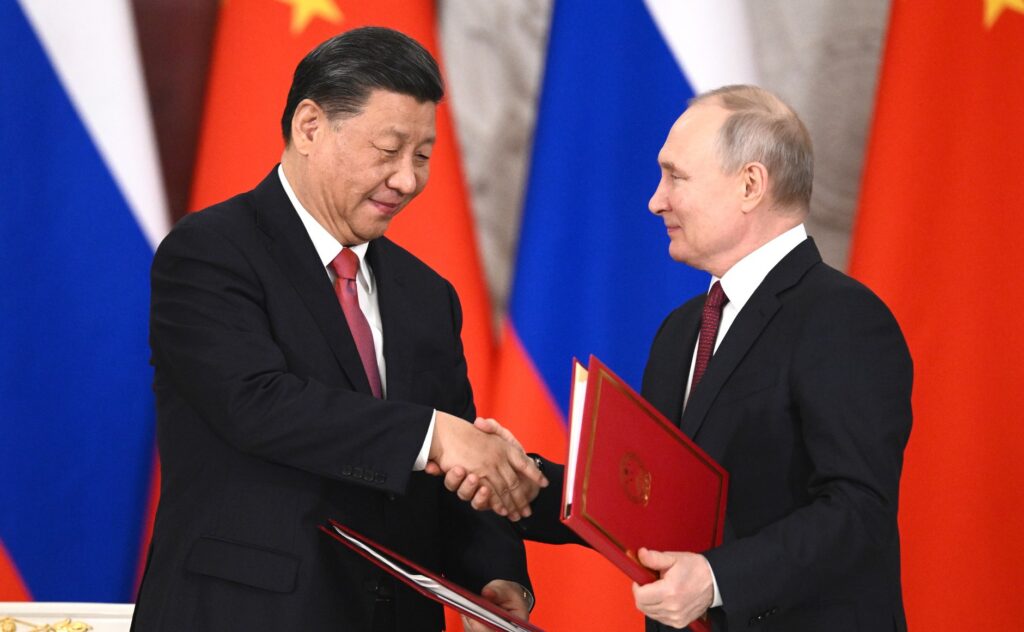
And how has the war affected the thinking and behavior of Beijing? Has the combination of woeful Russian military performance and Washington’s undeniable success in rallying virtually the whole of Europe, as well as Japan, South Korea, and, Taiwan in support of Ukraine deterred China from adopting a more aggressive stance vis-à-vis the US and its allies? Or might it instead impel China to ready itself for inevitable conflict with the United States sooner rather than later? The recent summit between China’s President Xi Jinping and Russia’s President Vladimir Putin suggests the latter.
Finally, how is the war changing the world’s economic structure? By imposing unprecedented sanctions on Russia, the United States brought to bear the full might of the dollar’s primacy. Yet this has not broken Russia. Can Washington again weaponize the dollar and its financial dominance or has it terminally weakened the dollar? The war has thoroughly disrupted energy markets in Europe. How is it reshaping energy markets in East Asia and South Asia? Will these trends remain or even intensify as the war continues? What other markets are being reshaped?Food and grain? Semiconductors? Arms markets?
A year ago, many hoped that Russia would suffer a shattering defeat of such magnitude that it would topple Putin and lead either to the transformation of Russia into a democratic country or to the fracture of Russia into multiple irrelevant small pieces incapable of projecting power. Just as the Russian Federation has proven more economically resilient than the architects of the sanctions predicted, so too it has been more stable politically than its opponents wish.
Rather than serving as an admonishment to China to stay in its geopolitical lane, the Ukraine war instead has opened the way for China to gain influence over Russia. Beijing’s commitment of even part of its economic and industrial might to Russia could enable Moscow to prolong its confrontation with the West indefinitely. The classical geopolitical theorists Halford Mackinder and Nicholas Spykman warned of the menace of a unified Eurasia, and the contemporary doyen of diplomacy Henry Kissinger has similarly pointed out the danger of a potential Sino-Russian partnership. We may now be witnessing this nightmare of an anti-American bloc in the “heartland” of Eurasia, augmented by Iran, come into existence.
But the war may also have catalyzed a more favorable geopolitical realignment. Putin has framed the Ukraine war as heralding the conclusive end of unipolarity. The passing of post-Cold War US primacy was perhaps inevitable. That primacy, expressed in America’s unilateral command of the seas, made global free trade possible, and that trade in turn fueled the growth of multiple other powers—China chief among them. While American preeminence was slowly eroding in relative terms, German (and thus European) economic integration with Russia was proceeding apace, opening the possibility that Europe as a whole might in time slide out from under American influence. Similarly, China’s steady ascendance pointed to the possibility, even likelihood, of irresistible Chinese domination of the whole of East Asia.
Yet due to Russia’s invasion, America’s influence over its allies in Europe and in East Asia has never been greater. As globalization proceeds to break down and a multipolar world supplants US unipolarity, America may have placed itself in the next best possible position: at the center of an alliance that ties the European and East Asian rimlands together with the North American continent. In the new age of multipolarity, America may continue to constitute the single most powerful pole.
A Shift in Balance?
By Sharyl Cross
The Russia-Ukraine war is more than a conflict between Russia and Ukraine. It is also a conflict between Russia and the United States and its democratic allies in Europe currently being carried out on
Ukraine’s soil. This development—potentially—is far more consequential for global security and world order than 9/11 and the War on Terrorism. We certainly need to appreciate the impact of the destabilization of a large capable world power with a huge nuclear arsenal and the capacity to challenge US security interests on multiple levels. The conflict has already brought tremendous suffering, especially to the citizens of Ukraine—loss of life, population dislocation, massive destruction of infrastructure, global food shortages, and economic, energy, and supply chain disruptions. Additionally, there are certainly significant threats of further escalation with catastrophic consequences.
Moscow sees this conflict as part of an overall struggle for how the global system will be shaped for the twenty-first century. Russia has been dissatisfied with the post-Cold War security architecture in Europe. While Moscow tolerated the initial rounds of North Atlantic Treaty Organization (NATO) enlargement, Russia’s leadership, defense, and foreign policy community consistently expressed opposition to expansion of the Western security alliance. It also considered Ukraine’s aspirations for integration in the Euro-Atlantic community and NATO membership a direct threat to Russia’s security.
Russia’s leadership had been broaching proposals to develop a European security arrangement that they considered more consistent with Russia’s interests. Former Russian president Dmitry Medvedev advanced a proposal for a new European security order in 2008 and there were more initiatives prior to the invasion of Ukraine that Moscow perceived as dismissed or not taken seriously in the West.
The current conflict is also about challenging the Western liberal rules based world order that has provided the foundation for governing the international system since the end of the Second World War. The fact is that Russia is not entirely isolated because of its behavior in Ukraine. Other major powers—China, India, several Middle East nations, and particularly throughout the Global South have resisted condemning Russia’s intervention in Ukraine or joining Western sanctions. The Ukraine conflict seems to be strengthening calls for a world system that provides greater influence for nations other than the United States and its allies (the transatlantic community) for shaping the world order and defining the rules for managing the global system.
Vladimir Putin and Xi Jinping find common ground in challenging the preponderance of US influence. Russia and China have united in opposing US/Western involvement in the colored revolutions and military intervention in the Balkans, the Middle East, and across Eurasia, which they see as failed attempts to impose Western-style democracy leaving chaos and disruption in societies. At the same time, US and Western policymakers speak openly about the war in Ukraine weakening Russia, leading to regime change in Moscow or defeating Russia.
India’s role in the Ukraine conflict has been quite interesting. President Joe Biden has defined the stakes in Ukraine as a struggle between democracy and authoritarianism. However, the United States and its democratic European allies have not been successful in persuading the leadership of the world’s largest democracy to condemn Russia’s invasion of Ukraine. While India’s Prime Minister Narendra Modi has directly communicated to Vladimir Putin that “Today’s Era is not an Era of War,” at the same time, India has a longstanding relationship with Russia, which it views as a reliable partner. While India has made some recent strides in the diversification in the defense sector, they are still heavily dependent on Russia for arms sales and spare parts.

Moscow turned to India as a market for gas and oil. India’s leadership responded to Western concerns that this undercuts transatlantic sanctions by stating that they must prioritize meeting the economic needs of India’s population with a much lower standard of living than citizens of Europe.
India also has an interest in maintaining a relationship with Russia to perhaps prevent Moscow from moving closer to China—which is India’s primary adversary.
Thus, India has a unique influential position standing between democratic allies and Russia. India participates in the US-led QUAD (along with Australia and Japan) in the Indo-Pacific to counter the threat from China while maintaining a longstanding relationship with Russia and is a founding member of the Brazil-Russia-India-China-South Africa (BRICS) coalition.
India is projected to have the third largest economy by 2030 after the United States and China. In looking at the evolution of the global order, policymakers in New Delhi speak in terms of the “India pole.” Rather than choosing sides, India sees the multipolar world order as creating an opportunity for greater diversity of influence in the world. It was interesting to hear Modi at the G-20 ministerial in March 2023—speaking in India’s role as Chair of the G-20—warning about the divisions in the world community and suggesting that we were suffering from a failure of global governance.
Like China, India has offered to serve as a mediator in the Ukraine conflict, emphasizing the importance of dialogue and diplomacy. They are not speaking about achieving “victory.” Instead, New Delhi wants to see an end to the conflict as soon as possible because of concerns for global security
and economic disruption, among others, as the conflict drags on. India has been a significant voice for the interests of the Global South, which has not fallen into line with the United States and Europe on Ukraine. In fact, it is challenging Western preponderance in the global system seeking a greater say in world politics based on their own national interests and concerns.
Certainly, India is watching how the Russia-China relationship evolves and what lessons China is learning from the Russian invasion. Russia and China have a burgeoning strategic partnership, but not an alliance. Both nations have been concerned about being drawn into the conflicts of the other. Yet, the United States makes a mistake driving these two powers closer—casting and coupling them together. The March 2023 Putin-Xi Summit reinforced the perception that the Sino-Russian partnership is fueled by the desire to counter US hegemony in the global system. Taiwan and Ukraine are obviously different cases on several levels, but undoubtedly China’s leadership, defense, and foreign policy communities have been drawing conclusions regarding US intentions and capabilities from the Ukraine case.
Beijing places a high priority on preserving sovereignty and state security, which might initially place it closer in position to Ukraine. However, Beijing blames the conflict in Ukraine on US-Western support for the Euro-Maidan uprising (which unseated the pro-Russian government of Viktor Yanukovych), as well as NATO’s engagement in Ukraine. Still, Beijing also enjoys significant economic ties with Ukraine, and the conflict jeopardizes a region that is critical for the future of China’s economic reach to Europe. And while the Ukraine crisis has provided opportunities for China to strengthen its hold on Russia, further support for Moscow, including provision of military aid, would entail costs for its relationship with the United States and Europe.
At the 2023 Munich Security Conference, Beijing outlined a 12-point peace proposal for resolving the war. China sees value in appearing to offer mediation in a conflict in Europe far removed from China’s traditional sphere of influence. Moreover, the proposal was seen as a reasonable starting point by many governments in the non-Western world. This, alongside the Chinese mediation to restore diplomatic relations between Iran and Saudi Arabia, asserts China’s increasing influence in global leadership. The Ukraine proposal has also allowed Xi Jinping to add to perceptions that the United States and its European democratic allies are not committed to preserving peace. Instead, they chose to fuel a war in a proxy state at tremendous cost to the population, with the potential to escalate in even further destruction throughout Eurasia, Europe, and the rest of the world.
Alongside a shift in the perception of China’s emerging global role and its willingness to serve as an alternative to the United States, we also have the impact of US and Western sanctions. They are reshaping the global economic system to the possible advantage of China and other non-Western states.
There have always been limits to sanctions in altering state behavior. Moreover, Russia has found ways to navigate the most comprehensive series of sanctions imposed on any nation ever. The attempt to bar access to the dollar as a form of pressure on Russia and to restrict purchasing various Western goods and services is having an unintended consequence: it is quietly strengthening the Global South’s resolve to develop alternatives to relying on US currency. In addition, these countries are seeking ways to avoid creating vulnerabilities to both economic dependence and sanctions by diversifying supply chains. For their own distinct reasons, both China and India are looking to diversify their economic options to avoid overreliance on the US dollar and Western financial systems.
These trends underscore that we are undergoing a huge transition in the global geopolitical and strategic environment. The world is transforming from a unipolar to multipolar power configuration. This transition comes with growing pressure from nations apart from the democratic collective West for a global security configuration that reflects their interests and aspirations. Framing the contemporary world community as fundamentally constituting a clash between democratic and authoritarian systems and values risks alienating partners that we will need to manage the daunting security and economic challenges facing humanity in the decades ahead.
China Is Prepared to Exploit US Distraction
Dov S. Zakheim
If China seeks to keep the United States off balance through the threat of “Eurasian simultaneity,” a challenge I warned about in these pages last year, then the United States must view developments in Ukraine as part of a larger strategic competition. Washington does not have the luxury of putting other parts of the world on the proverbial “back burner” while it focuses much of its attention and resources on Eastern Europe. In particular, the “triple challenge” of coping with China, Iran, and Russia across the greater Eurasian space—from the Far East to the Persian Gulf to the Arctic—remains quite acute.
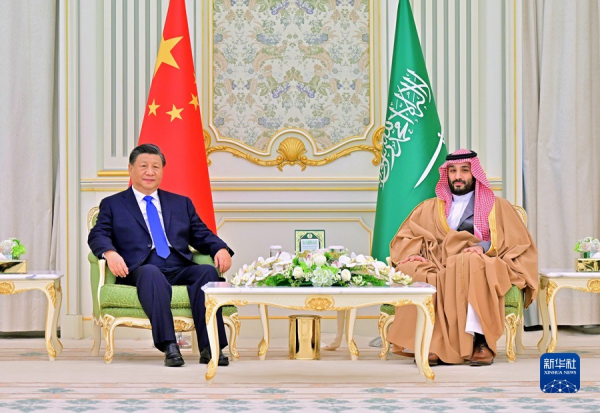
Beijing is prepared to exploit American strategic distraction. In March 2023, the Chinese-brokered agreement between Saudi Arabia and Iran to restore diplomatic relations caught the Biden administration by surprise. Yet the Saudis and Iranians were engaged for many months in quiet discussions under Chinese sponsorship, reportedly with President Xi Jinping’s personal involvement.
China’s leadership is not waiting idly for the United States to shore up its network of regional partnerships, which have been so critical in the past for maintaining US power. In the Middle East, Beijing is attempting to engage all the states around the Persian Gulf, presenting China as an alternative to the United States for both economics and security, and seeking to fill a regional vacuum that it perceives America has created.
The United States has undertaken a full-court reassurance initiative to signal to its regional friends that Washington is not abandoning or ignoring them. Prior to the Saudi-Iran announcement, Defense Secretary Lloyd Austin made a surprise visit to Iraq to reassure its partners of continued US support and engagement. Yet I have seen the signs of skepticism. At the March 2023 Sulaimani Forum—a major regional conference bringing together political figures, diplomats, analysts, and journalists—attendees from the region did not find the promises entirely convincing that the United States remains committed to maintaining its presence and role in the Middle East.
The problem is that between the new focus on Ukraine and expectations of a greater US shift to the Asia-Pacific, Washington had made far too many comments that the Middle East is no longer as critical to the United States. Calls to divert security assistance from the Middle East to Ukraine, and ongoing pronouncements that the United States will prioritize the Indo-Pacific basin to compete with China, create the impression that the Middle East is being left to sort out its own problems.
This is a dangerous signal for Washington to transmit at a time when Moscow—despite its setbacks in Ukraine—shows no signs that it is prepared to relinquish its Middle Eastern role. At the same time, Beijing continues to expand its political and economic activity throughout the region.
And we see receptivity. No US partner in the region, starting with Saudi Arabia, is prepared to foreclose on its ties to the United States. But we have seen traditional US friends like the Saudis clearly hedging their bets in multiple directions. A Chinese-brokered agreement with Iran not only offers the prospect of an end to the kingdom’s costly and unpopular intervention in Yemen’s civil war. It also facilitates a much deeper engagement with America’s great rival. From agreeing to increase its use of the Chinese yuan (renminbi) in some of its energy transactions, to new Saudi Aramco investments in China (meant to more closely connect Chinese industry with Saudi Arabian sources of energy), the Saudi leadership— starting with Crown Prince Mohammad bin Salman—wants to have options in place if relations with Washington continue to sour.
The United States cannot walk away from what is still a geopolitically and geoeconomically vital region for its interests. Middle Eastern leaders are turning to China as a hedge against US unreliability. In some cases, it serves their interests to do so. At the same time, should Chinese initiatives prove to be short-lived, the United States needs to have viable counters to Chinese offers.
Beijing still lacks the military and strategic wherewithal to offer concrete security guarantees to the countries of the region. US technology and investment are still preferred—witness the Saudi preference for a civilian nuclear deal with the United States, as well as the opportunity to expand the range of US military equipment that the kingdom would be eligible to purchase.
The Biden administration must formulate a new approach to the region, one that recognizes that Beijing is becoming a regional player and that is sustainable even given new US challenges in both Europe and the Pacific. As Russia’s invasion of Ukraine enters into its second year, putting other parts of the world “on hold” is not a sustainable approach—and the United States risks ceding even more regional ground to China, particularly in the Middle East.
Three Lenses—Or, Notes Toward Understanding Post-Ukraine Geopolitics
Ronald J. Granieri
Any assessment of the “War of the Ukrainian Succession’s” impact on the world—especially the world beyond Europe—should be examined through three lenses. These lenses overlap in some respects, but each reveals something important about how the geopolitical landscape has changed over the last decade, how the Ukraine War has accelerated those changes, and how we should imagine it changing going forward.
Each of these proposed lenses is based on some speculation, of course, and should be considered spurs to future conversation rather than final ideas. But I think they can all contribute to a better understanding of both the recent past and of the future to come.
The first and most important lens is “The End of the Atlantic Era.” Since at least the eighteenth century, when an imperial struggle between Britain and France was fought from Quebec to Pondicherry, as well as from Rossbach to Senegal, foreign policy analysts have lived in a world in which European perspectives and European power have been the primary determinants of global significance. The rise of the United States in the latter nineteenth-century and the eventual US dominance over the Europeans after 1945 reinforced the focus on the trans-Atlantic realm as the primary arena for world politics. For the past two centuries, what happens in Europe becomes a global issue, while events in other places have been treated as at best regional concerns, unless the Atlantic powers themselves decide to make it important.
The Ukraine War offers a considerably changed perspective. As dramatic as the outbreak of full-scale war on the European continent has appeared to Americans and Europeans (though people in the Balkans correctly chafe at the oft-expressed trope that this is “the first full-scale war in Europe since 1945”), the rest of the world has shown far less immediate concern. People in Asia, Africa, and South America (what is often, though problematically, called “the Global South”) may feel the consequences of this conflict—economically and otherwise. Nevertheless, it has been quite possible for states and governments in those other regions to observe the war with more or less disinterested neutrality. Whether indicated by votes in the UN General Assembly or in other forms of diplomatic, economic, and even military activity, those states have not necessarily felt compelled to line up on one side or the other. Rather, they have shown both an ability and a willingness to calibrate their responses according to their own interests— even in the face of rhetorical and material pressure from the Atlantic powers.
China, of course, is playing a very important role here—both in its support for Russia and in its effort to appear as a potential honest broker of a peace agreement. Yet, Beijing is not alone. Even the Americans have found themselves justifying their support for Kyiv in extra-European terms, worrying about this war’s impact on a future war in the South China Sea over Taiwan. This potential conflict, most analysts strongly imply when they do not say it outright, would be much more significant for the future global order than the fate of Ukraine. It remains to be seen whether Chinese diplomatic efforts will have any immediate impact on the war; there is no doubt they signal a shift in the focus of global affairs.
The second lens, related to the first, is “The Empire Strikes Back.” Even as advocates for Ukraine have denounced Russian actions as imperialistic, post-colonial states of the Global South have been slow to rally to the Ukrainian side. Indeed, for states such as India and South Africa, the Soviet Union and China’s solidarity—shown during the era of decolonization—continues to weigh more heavily in their favor as those states decide their attitude toward this specific war, as well as what it means for their place in the world. It is far from obvious to them that an abstract commitment to national sovereignty should require them to rush to the aid of Ukraine, especially considering that an earlier generation of statesmen in the West had shown far less concern about freedom and national sovereignty of the peoples they had conquered and ruled as colonial subjects for so long.
An awareness of the long-term anticolonial hangover may seem obvious now, but it is noteworthy how unprepared leaders in Washington, London, and Paris appeared to be to confront that reality over the last twelve months. If they hope to win more support from these states in the future, they will have to align appeals to abstract principles to practical offers of aid. Old imperial ties are no guarantee of future friendship; indeed, they can be an obstacle in building new relationships.

This leads to the third lens, “History Matters, for Everyone.” It’s always been too simplistic to say that history shapes policy, even though it bears repeating every time some new Realist claims that international relations can be reduced to the universal arithmetic of power. But the important—and often forgotten—corollary to that idea is that it matters a great deal whose history we are discussing.
Russia launched this war based on a series of perhaps self-serving but nonetheless widely held beliefs about the historical relationship between Russia and Ukraine. Vladimir Putin (or his ghostwriters) earned the unusual distinction of launching a pre-emptive historical offensive, linking events ranging from the founding of the Kievan Rus and the Battle of Poltava to the 1999 NATO war against Serbia over Kosovo to the Orange and Maidan rebellions in Ukraine, which continue to inform their public case for military action. Meanwhile, the Ukrainians, the Poles, and the Baltic Republics have responded with impulses born of their own historical memories and narratives about the danger of Russian imperialism. And the Germans continue to wrestle with what their own history of imperial/genocidal violence in the “Bloodlands” requires them to do in response. The Chinese are also acting according to their own historical understanding of their global role in relation to the European powers responsible for the “Century of Humiliation.” And Americans, who often pride themselves on having transcended history, are drawn ever deeper into historical considerations of what recent wars in Iraq and Afghanistan have done to American optimism, and whether a return to older traditions of America First would make more future sense. History matters, but there is no single History with a capital H at work here teaching clear and obvious lessons.

Adjusting our gaze through these three lenses to imagine the world of the future, we are left with some very big questions. Just because the Atlantic Era is ending, for example, does not mean that a Pacific Era will simply take over the same mental and political frameworks. (In any case, the new era is very unlikely to be “pacific.”) It is also unclear that any one state or group of states, such as the semi-mythical community of Brazil, Russia, India, China, and South Africa (BRICS), will simply emerge as the new dominant power. The interplay of new actors who feel justified in advancing their own interests, based on their own readings of history, will create a more complex geopolitical environment whose contours are far from clear at this moment.
It is not enough to say that the future of the world will be multipolar, even if that is certainly true as the United States continues the path of relative decline from the apex of unipolarity that produced the Iraq War. How many poles do we expect to see? How will those different poles—either individual continental states such as China or regional groupings, such as the European Union (EU) or Economic Community of West African States (ECOWAS) or the Southern Common Market (MERCOSUR) or the Association of Southeast Asian Nations (ASEAN)—relate to each other, based on whose rules and within which forums? These are serious questions that will occupy statesmen, scholars, and think tankers for some time to come.
The rise of multipolarity need not mean the end of the “rules-based order,” whatever one means by that. Multipolarity and a rules-based order need not be in conflict. After all, the rules-based order created in 1945 assumed the existence (eventually if not immediately) of a range of powerful actors alongside the United States, even if there was some disagreement on how those actors might emerge and the roles they might play. It is possible to imagine a future rules-based order in which a variety of states have significant power—perhaps regional, but also global enough in interests that no one state, or group of states, could assume primacy.
That’s the challenge for the United States, no matter how the Ukraine War ends. If Washington is serious about preserving a more or less liberal order in a world where the Atlantic no longer calls the tune, the Americans and their European allies will need to be willing to sacrifice primacy for a more cooperative vision. Russia is clearly a revisionist power, but it is not the only one, even if the specific revisions it seeks are not necessarily the same as the revisions sought by India, or perhaps even China. It is possible to imagine revisions taking place within a rules-based order. Indeed, it’s easier to imagine that than to imagine that any existing rules-based order will continue to exist without any revisions at all. One will need to be much more creative in imagining the future, allowing one’s vision to be corrected by some version of the three lenses. We are only now facing this possibility, but it will no doubt shape the geopolitics of the future.
Self-Sustaining Proxies in Future Wars: The IRGC and Wagner PMC
By Alma Keshavarz and Kiron Skinner
It appears that one of the lessons that countries will learn from the Russian invasion of Ukraine will be how paramilitary forces can help states impose greater costs and losses on their enemies by reinforcing— and in some cases replacing—regular armed forces.
Of course, proxies and non-state partnerships have influenced the contours of conflicts in the Middle East for decades. Iran’s Islamic Revolutionary Guard Corps (IRGC) was a pioneer in this trend via its train and-equip relationships with Shia militia groups in Iraq and across the Levant when the Iranian government wanted to avoid using its preeminent military for such functions. Yet the IRGC is more than a fighting force. It is also an economic player; its Khatam al-Anbia is a major holding company that manages some 800 economic enterprises in and outside of Iran. Despite sanctions on its commercial affiliates, the IRGC became adept at establishing front and shell companies to protect its financial networks and to circumvent Western sanctions. Thus, the IRGC is a financially self sustaining military organization, and it has benefited from Iran’s desire to extend its influence by establishing its presence in vulnerable states and regions.
The Wagner Private Military Company (usually known as the Wagner Group) is following a similar path in Russia. Yet, the two entities are not identical: the IRGC was created as the militia of the Islamic revolutionaries, whereas Wagner is set up along traditional corporate lines with a beneficial shareholder (Yevgeny Prigozhin). But both entities work to advance the foreign policy interests of their respective governments, even as they compete with other parts of the formal state structure. In particular, the Wagner Group has responded to taskings from the Russian Ministry of Defense and particularly from its Main Intelligence Directorate (GRU). Moreover, they provide both governments with a veneer of deniability for their actions. While the IRGC has mandatory conscription, Wagner is comprised of paid volunteers; but both can absorb losses with less political fallout while sustaining a wide degree of latitude in their operations and business activities.

Dismissing these groups as “mercenaries” risks losing sight of the larger picture: such formations are gaining influence precisely because of shifts in how conflicts are fought in the twenty-first century. The Wagner Group’s role in Russia’s invasion of Ukraine, beyond its earlier interventions in Syria, Libya, and across the African continent—building on the model pioneered by the IRGC—is gradually becoming the norm in warfare and international relations for the mid-twenty-first century.
Many of these shifting patterns are the result of the work of General Qasem Soleimani, the Quds Force commander of the IRGC. Soleimani cultivated a number of lethal Shia militia groups through the Middle East that, while dedicated to a Shia political agenda, were loyal to him personally. This also gave him access to a cadre of experienced fighters who could be transferred from one “front” to another—as we saw with Lebanon’s Hezbollah fighting on behalf of the Syrian government in Damascus. Soleimani also oversaw the network of IRGC companies meant to evade sanctions, obtain needed capabilities, and generate income for the IRGC.
Prigozhin has emulated many of the tactics and practices pioneered by Soleimani. His Concord Management has signed lucrative contracts in Russia and abroad due to his relationship with Russian president Vladimir Putin. This access has given Wagner an extensive economic base, while its “troll farm”—the Internet Research Agency—conducts influence operations around the world.
If filling vacuums and providing a way for Iran to increase its influence is part of the IRGC model, Wagner has followed in those footsteps. As Iraq was to the IRGC, Africa was to Wagner: offering its counterinsurgency and military “services” to countries in return for contracts to exploit rich natural resource assets to fund their activities while increasing Moscow’s reach and influence. Starting in Libya by working for General Khalifa Haftar, and then in Mali, the Central African Republic, and Burkina Faso, and farther afield in Cameroon and the Democratic Republic of Congo, Wagner has planted its flag, built up its net worth, acquired capital with the Russian government, and honed its operational capabilities
Wagner fighters were deployed to Syria in 2014 and 2015 to help Syrian President Bashar al-Assad remain in power. Wagner struggled against US-backed Syrian Defense Forces (SDF) in 2018 in the battle for Deir ez-Zor province. But with lessons learned, they have since increased the areas under their control in Syria and are now more influential than Iran in that country. Finally, closer to home, the Wagner Group is believed to have been heavily involved with the 2014 Russian invasion and annexation of the Crimean Peninsula. Wagner mercenaries are also believed to have fought on behalf of the Donetsk People’s Republic and Luhansk People’s Republic in Ukraine in 2015, as well as having a footprint in Donbas and being active in the ongoing war in Ukraine.
What Wagner’s increasing role in Russia’s active military operations has meant is that it seeks greater claim on Russian funding and military procurement. Certainly, we have seen tensions between the “regular” Russian military—especially Defense Minister Sergei Shoigu and Chief of the General Staff Valery Gerasimov—and Prigozhin and his Wagner Group. But as the invasion of Ukraine floundered by late 2022, the need for the group’s services and cooperation grew. This is the case, in part, because in the ongoing war of attrition, the make-up of the Wagner forces is distinct from the regular Russian military. Wagner’s practice of sending recruiters into the Russian penal system has meant that those who have been bearing a disproportionate burden of active combat have been drawn from the prison population. As of March 2023, of the approximately 50,000 Wagner fighters on active duty in Ukraine, only about 1/5 are “traditional” mercenary contractors, with the bulk of its fighting personnel (some 40,000) drawn from convicts.
In addition to augmenting Russian fighting capacities, Wagner has also learned from its Iranian “tutors” how to evade US and international sanctions. Prigozhin was sanctioned by the United States in 2014 for his ties to the conflict in Ukraine and again in 2015 for his links to malicious cyber activities. Concord Management and Consulting, Prigozhin’s leading company, was sanctioned in 2017 for ties to the fighting IN Ukraine. With Concord sanctioned, Prigozhin is doubtless using other front companies and subsidiaries to bankroll his military operations. Just as the IRGC continued to find ways to function even after its designation as a foreign terrorist organization in 2019, we cannot assume that the Treasury Department’s decision in 2023 to designate the Wagner Group as a “transnational criminal organization” (TCO) automatically cuts off its lucrative business and financial streams, though it is a step in the right direction. As we look to the future, can the Wagner Group become self-sustaining to such a degree as to offer Moscow parallel military options to achieve its geostrategic ambitions around the world, especially in vulnerable regions like Africa? Despite setbacks in Ukraine, Vladimir Putin remains interested in preserving as much of Russia’s position as possible, particularly in maintaining Moscow’s influence in global hotspots where the United States is minimally present, taking advantage of Washington’s focus on higher-priority issues elsewhere. When a Wagner foothold is established, front and shell companies are propped up to enable illicit activities and evade sanctions.
In short, the Wagner Group is not an aberration, but a glimpse into an emerging future where private entities, taking advantage of the shadows and exploiting seams in the global financial and business system, find ways to give states the ability to use lethal force without involving their regular militaries.
The Energy Dimension
By Jeff D. Colgan
We cannot fully assess the impact of Russian President Vladimir Putin’s invasion of Ukraine and Russia’s larger political and economic confrontation with the United States and its Western allies without taking into account energy politics.
Ten years ago, speaking at the Woodrow Wilson Center, I discussed my concept of “petro-aggression,” which I had outlined in a recently published book.[1] I noted that international conflict is more likely if a state derives more than 10 percent of its gross domestic product from energy sales and if the state is helmed by a revolutionary leader. Russia, even prior to the first invasion of Ukraine in 2014, and certainly before the second iteration was launched in 2022, fit the first criteria. In 2021, oil and natural gas accounted for approximately 20 percent of Russia’s GDP, 40 percent of government revenues, and roughly half of total exports. [2] Vladimir Putin might not be considered as a “revolutionary” leader in domestic terms, although his policies did reign in the oligarchs and rolled back the democratic gains of the 1990s. Even as a non-revolutionary leader, however, Putin has aggressive, revisionist preferences that are common among revolutionary leaders. For instance, he has made it clear over his two decades in power that he does not accept as lasting or binding the post-Cold War settlement in Europe. In particular, re-establishing a grand Russian sphere of influence—and subordinating Ukraine within it—has been part of his vision.
Russia’s energy wealth, Putin’s desire to renegotiate the post-Cold War settlement, and his ability to consolidate power domestically by using the country’s energy resources to win support all fit within the parameters of petro-aggression. So too does a pattern, even before the invasion of Ukraine, of Russia’s use of conventional, cyber and even “sharp power” tools against its neighbors. Having launched a renewed invasion of Ukraine in 2022, how does energy politics now intersect with Putin’s aims? Three items stand out. First, Russia is attacking Ukraine’s energy system, especially its ability to generate electricity. Not only is this intended to disrupt Ukraine’s defense effort, but the longer-term impact is also to create economic damage and to strain the overall European energy system. Second, as the West has sanctioned Russia, Moscow in turn is restricting and limiting its own energy exports to Europe. Prior to the start of operations in February 2022, Europe relied on Russia for about 40 percent of their natural gas consumption; decoupling from and replacing those energy supplies is not an easy task. Adding to Europe’s stress has been sabotage efforts of various parts of Europe’s energy-related infrastructure, including the Nord Stream gas lines, which also adds to the continent’s economic stress. Third, Russia’s ongoing collaboration with the Organization of Petroleum Exporting Countries (OPEC) in the OPEC Plus format is meant to keep oil prices high and prevent any other producer from seeking to flood the market with large amounts of inexpensive energy.
If petro-aggression relates to the why of the Russia-Ukraine war, these three theaters of energy conflict help us understand the how. Russia’s strategy is evidently larger than a simple territorial battle in Ukraine, encompassing a broad political-economic confrontation with Europe and the United States to push them back from a perceived Russian sphere of influence. At the same time, we must assess how the impact of the Russian invasion may bring the European defense and energy subsystems into closer interaction. Consider that in the waning Cold War period, Europe began to strengthen its energy dependence on Russia, particularly in the construction of new oil and gas pipelines. This happened despite warnings from subsequent US administrations that overdependence on Russia would create security issues.[3] Continuing right up to the Russian invasion in 2022, Germany and other European energy consumers supported the Nord Stream 1 and 2 pipelines, designed to carry natural gas directly from Russia to Germany while bypassing transit countries like Ukraine. At the same time, however, both NATO and the EU were committed to enlarging the Euro Atlantic bloc to eventually take in former Soviet states including Ukraine. So, Europe was characterized by energy and security subsystems that were largely independent of each other until 2022, when renewed great power rivalry rapidly aligned the subsystems according to the dictates of geopolitics—as we see with a Europe that decreases purchases from Russia while increasing imports from the United States. At the same time, Russia may be prepared to ramp up energy exports to Asian customers, especially China, to compensate for the loss of its European markets. In turn, this could create a new pattern of asymmetric dependence between Russia and its Asian customers. In sum, energy politics play a crucial role in the Ukraine war and the broader conflict between Russia and the West. Russia’s war is a multi front conflict that combines territorial and energy disputes.
The Rise of the Silk Road Region
By Damjan Krnjevic Miskovic
The ongoing conflict over Ukraine is accelerating divisions within what Westerners often call the “international community.” Among its myriad manifestations is the worrisome prevalence of what social scientists term “false universalism.” In this case, it is the tendency to present as global in scale and scope something that is in fact predominantly Western or Western led. Hence, the current political and journalistic rhetoric giving the public impression that the entire world has effectually joined the West in imposing sanctions and export restrictions against Russia. One example is the way that the outcome of a series of almost entirely symbolic votes in the UN General Assembly is presented discursively in the West. But in real life, votes on symbolic, non-binding resolutions at the UN are rarely indicative of a given state’s actual foreign policy. More importantly, there is little correlation between the outcome of such votes and practical policy shifts. Thus, while the US and its allies might herald recent UN General Assembly tallies that show a majority of countries condemning Russia for its actions against Ukraine, other resolutions—such as the November 2022 measure that condemned the continuation of the US economic embargo against Cuba with 185 countries out of 193 in favor—continue to pass by even greater margins. Yet, they rarely lead to any substantive changes in policy. And these Cuba resolutions have been essentially an annual event for decades. They mean next to nothing in real life.
Another consequence of this type of discursive “false universalism” is what psychologists call “consensus bias” or the “false consensus effect” on Western decisionmakers and Western publics. It has a blinding effect not only on the prudence of making use of nuance and compromise in a state’s policymaking toolkit, but also a blindness to the charge of hypocrisy and double-standards—not to mention on the disadvantages of the charge of “Atticism,” a Thucydidean neologism that I have defined as “alignment to a stronger power by a subordinate one acting under constraint at a time of crisis.” [4] I remember a March 26, 2022 tweet by Gérard Araud—France’s former permanent representative to the UN, as well as the country’s former ambassador to the United States—that made this point succinctly: “We, in the West, underestimate the resentment of the rest of the world against us.”
Regarding the war, we can look at the actual number of countries that have imposed sanctions on Russia. And here we see a much more divided world than is generally presented in the West, or that is reflected in votes taken at the UN General Assembly. As for March 2023, the Russian Foreign Ministry lists some 50 countries as “unfriendly” due to such measures. It includes nearly every NATO country along with the EU and all of its member states, as well as some other US treaty allies like Japan, South Korea, and Taiwan. It also, however, includes Lilliputian players like Andorra, Liechtenstein Micronesia, and San Marino. This is basically a “usual suspects” list that constitutes what the Russians call the “collective West,” but it has the advantage of drawing attention to some deeper and oftentimes downplayed realities. The absences on this list are telling. They reflect, for instance, the reality that not a single non-Western G-20 country and not a single core country of the Silk Road region [5] has formally adhered to all the Western-led sanctions. The Russian list does not include NATO member Turkey. Absent also are cornerstone US allies like Israel and Saudi Arabia. Certainly, a larger number of states adhere informally to some of the Western-led sanctions, but a case can be made that this is due to a combination of fear of punitive economic retribution by the West and diplomatic or humanitarian solidarity with Ukraine. Yet, even making this sort of looser or longer list probably would not produce a majority of UN member states. At the same time, there is a very large majority of UN member states that affirms support for Ukraine’s territorial integrity as a matter of principle. This stance may be important, but it seems quite a stretch to conclude that this alone will decisively affect the future status of Crimea and the Donbas.

Consider some recent developments: the latest Non-Aligned Movement Summit declined to condemn Russian actions; the G20 does not speak as 19 members aligned against Russia but remain divided; OPEC Plus continues to operate with Russia as a co-convener; and even at the 2023 Democracy Summit, of the 120 invited countries, 47 did not completely endorse the communiqué that condemned the Russian government. While the G7 grouping of Western industrialized democracies has attempted to impose greater economic sanctions against Russia, its impact has been partially countermanded by the Brazil-Russia-India-China-South Africa (BRICS) grouping—which roughly balances the G7 in its overall contribution to global GDP.
I certainly do not mean to downplay the force and impact of the Western-led sanction regime on the targeted country. It is doing real harm to the Russian financial system, its economy, and its technology base. Still, it seems unlikely that the increasingly harsh Western-led sanctions will fundamentally impact the Kremlin’s pursuit of its national interests as it defines them.
Amidst this backdrop, one of the most unheralded developments to arise out of the war has been its effects on the South-Caucasus-Central Asia core of the Silk Road region. Russia’s strategic distraction in the Ukraine theater, coupled with the US withdrawal from Afghanistan in 2021 and the impact of the outcome of the Second Karabakh War in 2020, are contributing factors to the ongoing transformation of the regional balance of power. I observe an under-the-radar trend taking strategic shape, perhaps even doing so rapidly: regionally driven economic connectivity is on the way in, and outside power agenda-setting is on the way out. Some outsiders are seeing their relative power decline while others are seeing an increase; but in the aggregate, the power of outsiders is likely to be reduced overall in, say, the next decade or so.
One can think of the infancy period of ASEAN, the Nordic Council, the GCC, and the original European Economic Community. This is what I forecast taking place in the Silk Road region: a text-based process of economic connectivity and regionalization that results in formal, institutionalized cooperation that both broadens and deepens in the future.
States like Azerbaijan, Kazakhstan, and Uzbekistan—Silk Road region states located at the crossroads of China, the European Union, Iran, Turkey, Russia, and India—are increasingly aware that they must have the dexterity to maintain security and project influence in a prudential manner beyond their immediate borders. And, because of this increasingly salient imperative, such countries—“middle powers” as the Piedmont-born thinker Giovanni Botero defined them in 1589, or “keystone states” as Nikolas Gvosdev calls them today—are apt to have facility in promoting trade and connectivity with their neighbors and their neighbors’ neighbors.[6] And applying this aptitude is predicated on maintaining an ever-increasing internal stability and security. Undoubtedly, no state in the Silk Road region (and far beyond) buys into what its proponents call the “rules-based liberal international order.”
Looking at the map here is essential. The northern corridor, via Russia, is effectually closed for Western business. And this is unlikely to change for the foreseeable future, whatever the military outcome of the conflict over Ukraine. The strategic potential of the southern corridor route will not be able to be harnessed fully, either, given the West’s strategic posture towards Iran that is also unlikely to change for the foreseeable future. By process of elimination, the only open Eurasian land route is the “Middle Corridor.” It is now the only game in town for achieving Asian, Turkish, and European transport and connectivity ambitions. The Silk Road region as a whole—and here Azerbaijan is the indispensable state, the geographically unavoidable hub—is also an integral part of sophisticated EU plans for energy stability, both in securing the reliable supply of hydrocarbons as well as developing new sources of green/renewable energy. Moreover, the core states of the Silk Road region understand the value of serving as trusted interlocutors and reliable intermediaries that can act as buffers between major external power centers.
The strategic logic informing the founding of ASEAN increasingly applies in this part of the world; namely, no state in the Silk Road region is strong enough by itself to play such and similar roles, as identified above. But together they could provide equilibrium while setting the tone, pace, and scope of the overall cooperation agenda. If what I have forecast comes to pass, then external powers will continue to exert some influence, but developments in the Silk Road region will unlikely continue being decisively driven—much less determined—by the oftentimes clashing agendas, preferences, objectives, and priorities of those same external powers. In other words, banding together, states like Azerbaijan, Kazakhstan, and Uzbekistan can take the lead in a strategic project of the geopolitical emancipation of the Silk Road region. This part of the world does not have to remain merely an object of great power relations; it stands a chance of becoming a distinct, autonomous, and emancipated subject of world order.
Over the past several years, we have seen the leaders of the region taking steps reminiscent of those taken decades ago by keystone states anchoring the other theaters I mentioned. ASEAN is a good reference point. For instance, in the Silk Road region we are seeing the establishment of institutional arrangements to facilitate trade and security cooperation from the borders of China to the shores of the Black Sea. And, at a time of greater international polarization, this move towards greater integration—of the core states of the Silk Road region playing what may amount to a global “keystone” role—is supported at least implicitly by all the major outside powers, including Beijing, Moscow, and Washington. At present, it is the only theater anywhere in the world where the relevant outside powers are not behaving as though geopolitical and geo-economic outcomes have to be entirely zero-sum.
While global attention is focused on developments to the immediate northwest of the Silk Road region (i.e., in Ukraine), in the core of the Silk Road region we may be witnessing the birth of a new reality whereby the region itself is becoming an actor in setting and maintaining a new multipolar world order, rather than being a helpless object caught within the vicissitudes of great power competition. The Silk Road region is cementing itself as a center of non-alignment. And this is particularly consequential given that the global importance of the Silk Road region is more consequential than it has been in centuries—both in terms of geopolitics and geoeconomics.
My fundamental takeaway is that the Silk Road region’s keystone states are attempting to establish their own set of initiatives and institutions and that this burgeoning posture represents a surge of interdependence, connectivity, and integration. All this may well result in the construction of a genuinely stable and lasting regional order. This regional order would advance, first and foremost, the interests and values of the region, by the region, and for the region. I think that these values will happen to coincide with Western strategic interests, properly understood. Pushing for something more, along the lines proposed by Zbigniew Brzezinski at the height of the unipolar era and by others more recently, [7] would be both imprudent and dangerous. Pushing back against the still-nascent consolidation of the Silk Road region’s strategic heterogeneity no longer serves the national interests of any great power.
Reassessing Sanctions Amid Shifting Global Order: Responding to Experimentation
By Rachel Ziemba
The widespread use of sanctions, export controls and other restrictive policies against larger and larger targets—such as Russian and Chinese entities—is prompting more reassessment of the impacts of these tools, intended and unintended, for targets, sending nations and countries caught in between. These impacts are amplified by the economic policy choices on trade policy, investment restrictions, and deepening supply chains. Most notably, these trends increase the impetus for many countries to (re)focus on their own domestic interests, most notably in West Asia and other large emerging economies. The greater use of sanctions and the shift toward deepening domestic supply chains in the United States, comes at a time when many emerging market economies are looking to build new relationships with their neighbors and are trying to make the great power competition work for them, not against them. We are in a period of great economic policy experimentation in the emerging world—particularly in West and East Asia, as well as the Americas, which can add to the risks of fragmentation in certain economic systems and may reduce the influence of US and Western allies.
To avoid either over-reacting or under-reacting to these trends and more visible partnerships, policymakers in the United States and its allies will need to track outcomes and consequences of sanctions and their interplay with other policy choices. These include: greater links between sanctioned economies; the way sanctions can prompt a consolidation around government and military supply chains, and the impact on third countries— especially those more comfortable with government-led growth. While the dollar, USD-based G10 financial system remains the most dominant, not least because of the lack of alternatives, there are elements of new payment channels being tested as the political risk of different sovereign assets is growing. In turn this increases a trend towards fragmentation in the global system that may build over time. The development of parallel economic structures linked to China and the United States could provide short-term opportunities for select countries but is likely to increase the risk of crisis and make addressing global risks more costly, and ultimately could undermine economic and political stability.
This essay considers some developing challenges emerging from the increased use of sanctions, highlights recent contributions to the literature, and poses areas for future work. For discussion here, the term “sanctions” refers to a range of coercive economic tools which aim at foreign policy objectives, including foreign economic policy goals. These include financial sanctions, export controls, investment restrictions, trade bans, and related policies. Not only are a wider set of tools being used, and by a larger range of countries, against a wider set of targets; the goals too have shifted. Many tools such as investment and export restrictions are also being employed for more economic security goals including maintaining technological supremacy over adversaries in critical supply chains or building out domestic supply chains that reduce exposure to adversaries. Understanding the impact of these tools requires us to engage with the broadening goals and closely map the outcomes.
Shift in Sanctions Goals to Degradation, Not Policy Change. Many people have opined on the effectiveness of sanctions. When assessing these questions, we must go back to the goal in mind. A major problem in increasing use of sanctions in jurisdictions like Russia and Iran in recent years has been the expansion of articulated and overlapping goals for sanctions. If entities faced sanctions for a set of overlapping areas of “malign activity,” what policy changes would be enough to show compliance? When would they ever be able to be lifted? While such questions seem Pollyannish today, they do reflect a major challenge with the sanctions as drivers of the policy change concept. In part reflecting these challenges, many US policymakers seem to be shifting away from using sanctions as a tool of policy change and more towards a goal of managing competition, degradation of foreign military capacities, and overall raising of risk to discourage trade with dangerous counterparts. This trend is most notable with Russia and China. However, that shift has not fully happened with legacy sanctions programs on medium-sized countries. Communicating clearly what it will take to lift sanctions, or if they are permanent, is critical for assessing their effectiveness and consequences.
The case of Russia clearly shows this trend. Following the 2022 Russian invasion of Ukraine, policymakers’ goals for sanctions quickly shifted from deterrence and policy change (withdrawal/end of conflict) to degradation of Russia’s military industrial base and its ability to wage war. This was a rational choice, reflecting the lack of deterrent success, itself a function of Russian cost-benefit analysis. However, reassessing the effectiveness of sanctions to prompt policy change is also expressed by some US officials’ statements about other targets such as Iran. Treasury Secretary Janet Yellen recently noted the economic strain of sanctions on Iran and relatively limited policy change. Yet, there has not been any notable shift in sanctions stance, with the US continuing to implement overlapping sanctions in a game of whack amole. Recent research, such as by economist Agathe Demarais, suggests that the most effective sanctions are focused in terms of targets and goals—smaller countries, with few alternate trade options, democracies or partial democracies, and ones that are more reliant on global capital.[8] The recent trend towards targeting larger economies for many policy goals likely undermines effectiveness. The reason is that these countries may produce items on which the global economy relies and they are more likely to have alternate trading partners who see continued links as worth the risk.
Other research, including political scientist Dursun Peksen, highlights the impact of sanctions on reinforcing the role of political groups—even those that are sanctioned—as these entities are more capable of shielding from the effect—in effect they may be too big to fail.[9] More recent work of his [10] suggests that the period around an election in democratic states may increase the external leverage, a result that is aligned with political scientist Julia Morse’s work on the impact of FATF grey listing.[11]
More autocratic states typically have other sources of resilience, even if these choices and agency come with a cost. Even smaller countries that see little prospect of sanctions relief may find their dominant entities too big to fail and may prefer to seek relationships with partners if compliance with the policy demanded is too important. These dynamics often reinforce the role of government over the private sector which may make future cooperation and compliance with international norms more difficult. In turn, the weakening of the private sector may make it more difficult to reach such policy goals.
Currency and Payments Experimentation, but Dollar Still Dominant. Broad use of sanctions has expanded concerns about dollar dominance in the global financial system. This term differs in meaning when it is applied to financial markets, where dollar dominance may add financing costs and stress to emerging economies. In economic statecraft terms, however, it usually addresses the ability of the United States to expend power by managing access to its markets—in effect the power to impose sanctions, even on countries which may have little direct trade with the United States. The expansion of economic sanctions, extensive tightening from the Fed and other central banks and associated financial stress have prompted many questions about the role of the US dollar, its dominance, and the USD-based, North Atlantic-dominated global financial system. Why does this dominance matter? The dollar’s role in this system not only allows US consumers to purchase and sell goods in local currency but also to borrow in local currency, reducing the cost for US consumers and businesses. It also presents asymmetric power to coerce others for foreign policy goals.
The nature of the challenge to the dollar has shifted. Overall, the joint actions of developed economies in the G7 and G10 have reduced some of the risks of shifts away from USD reserve assets to the euro or alternate developed assets. All of these jurisdictions immobilized Russian assets and many are now considering ways to seize them and transfer them as a form of reparations to Ukraine. Thus, the diversification benefits of shifting from USD to Canadian dollar, Aussie dollar, or even euro were diminished. The use of swap lines from the Fed, too, has reinforced the dollar’s role among developed economy allies and even some emerging economies. However, even if European allies are no longer complaining that their strategic autonomy has been impaired by the dollar, the same is not true about key emerging market economies. They are concerned about over-reach even if there also are limited alternatives.
For the last several years, the USD share of reserve holdings has been relatively stable according to IMF data. However, on the margins, there has been greater shift into non-dollar assets—notably from Russia even before 2022, but also from countries like Turkey, as detailed by Daniel McDowell in a recent book. Intertwined economic and political concerns about dollar dominance are leading to more currency experimentation and hedging. Even though major emerging economies—such as China, Brazil, Saudi Arabia, and UAE—continue to use the dollar in a dominant role in their savings (reserves) and even payment and denomination channels, they are experimenting with facilitating transactions in local currency, developing new direct or indirect payment channels as they deepen domestic and global channels. So far, there’s more of a desire than reality.
It’s important not to overstate the development of these channels though, at least at present. China’s CIPS payment system is growing its participants and transactions, but it is reliant on SWIFT messaging for most of its transactions, limiting its use as a real alternative. China too remains wary of losing control of its currency, limiting the use in third countries. Other countries, such as the UAE, remain attractive to traders for their implicit dollar links and pegs, rather than an alternative.
Still, it would be dangerous to ignore the policy pressures. Developing CIPS infrastructure can build market share and provide tools that might be available in a crisis, as the Russians have discovered useful with their own domestic channels. The addition of more direct participants and use of more RMB transactions (from a very low base compared to dollar counterparts) suggests that if Chinese entities including major banks were targeted, it might be easier to use non-western payment channels than it is using today.
Other areas of experimentation and new channels also include digital currencies. The development of central bank digital currencies (CBDC) has many goals, including: financial inclusion; maintaining or regaining government control of the payment system over private currencies; and testing opportunities for direct payment and conversions between countries. Early testing included the Central Bank of the UAE, HK Monetary authority, People’s Bank of China, and Bank of Thailand. While potential volumes now are limited, these pathways could come into effect in the future.
The challenge to US assets is mitigated for the foreseeable future by the lack of savings alternatives (as China remains wary of allowing the associated loss of control that reserve assets imply and zones like the EU remain fragmented). These constraints may shift over time—the EU occasionally creates commonly insured securities and China may see a benefit to attracting more capital to share the credit risk associated with their debt burden. Moreover, global balance of payments is also a limiting factor where major capital surplus areas like the GCC and China still need places to send their funds. They can’t absorb them all at home and are unlikely to do so soon.
US policymakers should not rest on their laurels; own goals such as a debt default could add to perceived political risk of holding US treasury and other debt. Meanwhile, many of the holders of major US portfolios abroad, including foreign sovereigns, already have been shifting the composition of US assets towards agency bonds (like those of Fannie Mae and Freddie Mac), increasingly purchased by China over treasurys or towards US equities (GCC and other sovereign funds). Some of these countries too have aimed to increase their control over US and foreign assets in their portfolio, moving their cash, bonds, and other assets domestically or in friendly locations rather than in custodial relationships in the United States. This move could make them more resilient to future asset freezes. Overall, there continues to be more evidence of shifting assets within US markets rather than from them. Yet, policymakers might want to consider how they craft outbound investment screening and related tools to ensure that these policies meet the range of aims.
Broadening of Tools to Reshape Global Supply Chains. The greater use of restrictive economic policy comes while many countries, especially the United States, are looking to develop deeper domestic supply chains in critical materials. While many of these initiatives are focused domestically, since US officials do not want increased fiscal stimulus to leak out into the global economy rather than benefiting the US, there have been some greater moves to implement so-called “friendshoring.” This policy aims to set common rules with friendly countries to boost labor and environmental standards, and to reduce reliance on China and other adversarial supply chains. With a large external deficit, the United States demand usually supports global demand, making anti-leakage policies that are tough to implement and often detrimental to the United States given the interlinkages of supply chains.
So far, these friendshoring policies are in the early phase; most are focused around critical minerals for electric vehicle supply chains and have focused primarily on developed-economy friends, rather than putting more effort into realistic technology transfer and co-investment in emerging economies such as Indonesia and Chile. Increased effort to do so could create economic and foreign policy gains in the Americas, as well as Southeast Asia and Africa. It could also reduce the risk of misalignments and development of blocks that might be bad for global economic security. Doing so would require some tough thinking on how the US will deal with countries that seek to maintain links to China as well as ties with the US.
Broaden Experimentation to Overlapping Countries. The increased use of both defensive and offensive economic statecraft has reduced some security risks for the United States and increased others. In particular, the greater alignment in the emerging world has reduced the risk of competition and a challenge to the USD from developed allies. Yet, the focus on the concerns of developed economies risks underestimating the challenges of energy and food security in the emerging world. Finding ways to not only implement friendshoring, not only with developed friends but also to find win-win co-investments in the emerging world, would reduce the risks of some of the new areas of fragmentation and might channel this experimentation moment in ways that are win-win rather than excessive fragmentation. Rather than over-reacting or under-reacting to the new experimentation and regionalization in Asia, the Americas and Africa, US policymakers may want to prioritize finding common interests, especially in the more strategic countries that have resources or supply chains key to United States and global security. Partnerships might include improvements in critical infrastructure and other supply chains and select technology transfers.
A Fractured Global System?
By Nikolas K. Gvosdev
In 2016, vice president of the European Commission Maros Sefcovic laid out the following formula for the European approach to Russia and Ukraine: “Russia as an exporter, Ukraine as a transit country and the EU as the main importer.” [12] This reflected a perspective that Europe’s own economic prosperity and global competitiveness required access to lower cost Russian raw materials and resources, but that Russia’s own need for capital and technology required keeping open and stable its relationship to Europe and the West (including not exacerbating the Ukraine crisis). The Russian choice in 2022 to use military force as a tool of compellence against Ukraine, and to try and utilize Europe’s own resource dependencies on Russia as a source of economic pressure, has ended this approach. Europe and Russia are undergoing a long-term decoupling whose impacts are, as of yet, unclear, but will have a tremendous impact on international affairs.
Even before the Russian invasion, the COVID-19 pandemic was exacerbating fractures in the global system. No matter how the battlefield situation is resolved, what is likely to emerge is a major new dividing line separating the Euro-Atlantic world—with Ukraine as a frontline state— from Russia, which is attempting to unplug itself from the West and find new connections with East, South, and West Asia. While this will not be a total separation—the re-export of Russian energy to European customers, especially via Turkey, and the emergence of third countries that transship European goods to Russia—Russia is set to lose both income from the interruption of energy and commodity exports to Europe. It also cannot fully make up the Western technology and capital deficits by turning to China as an alternate supplier.
European economies, however, will be under great pressure to improve efficiencies and rapidly develop new sources of energy—both traditional hydrocarbons and newer “green” replacements— to keep industries up and running and to remain competitive on world markets. In particular, European companies will have to deal with both North American competitors who have ample domestic sources of inexpensive, accessible energy, and a China that is able to purchase Russian energy at discounted prices and increasingly via its own currency. While significant attention has been paid to the possibilities of a closer Russia-China entente (or indeed, of a weakened Russia being pulled into a Chinese sphere of influence), if we are moving from post-Cold War nterdependence into an era of fractured globalization, [13] then the countries which will have the “swing vote” in the new emerging international order will be the rising powers of the Global South. What we have seen over the last year is that these countries do not support the Russian invasion but also do not want to lose Russia as a hedge both against the West, but also vis-a vis China.
Accepting the inevitability of a more fractured global system, countries from Saudi Arabia to India to Indonesia are finding ways that they can continue to operate within a US-led international order—including use of the dollar as a reserve currency, continued access to Western markets and technology, and ongoing security cooperation efforts. But they are also creating alternative arrangements—from non-dollar settlement systems to supply chain networks—that do not touch the US or EU financial or trading systems, to be insulated from sanctions pressure. All of this heralds, as Tim Sweijs and Michael Mazarr conclude, “the arrival of a complex and fluid global pattern of alignments, coalitions, and issue-specific accords.’ [14]